08th April 2026 11:56:46 Hours
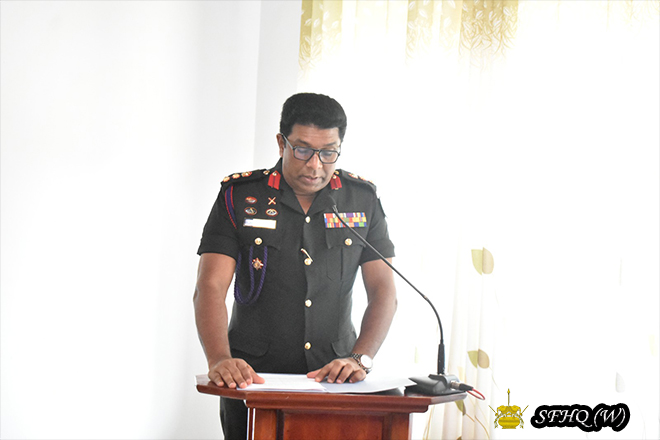
A comprehensive lecture on “Artificial Intelligence and the Law” was conducted on 7 April 2026 at the Officers’ Mess of the 54 Infantry Division, under the guidance of the Commander Security Forces Headquarters (Wanni), Major General K M P S B Kulatunga RSP ndc psc, and under the patronage of the General Officer Commanding, 54 Infantry Division, Major General G S K Perera RSP ndc.
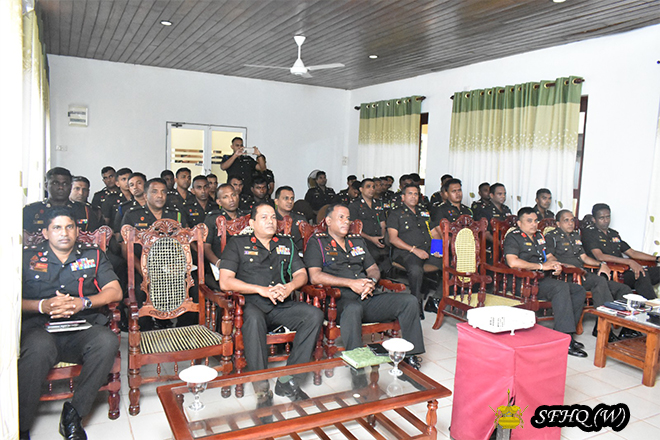
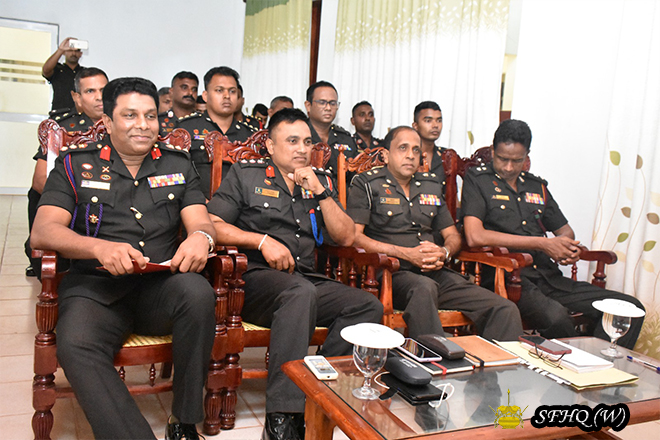
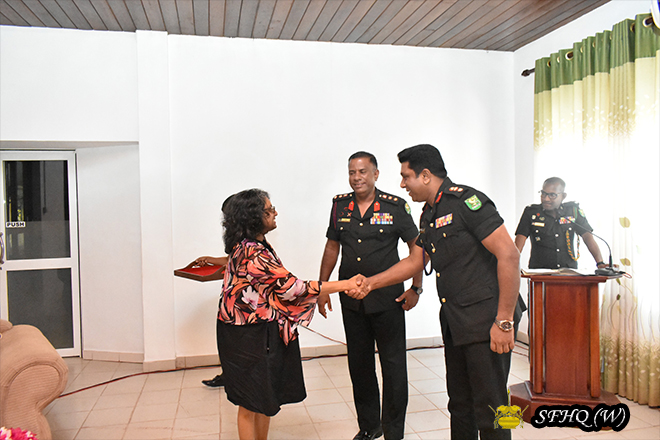
The session was delivered by the distinguished academic, Dr. Medha De Alwis, and attended by 47 officers serving under the 54 Infantry Division. Among those present were the Commander of the 542 Infantry Brigade, Colonel General Staff, Colonel Administration and Quartering, Colonel Coordinator, and the Colonel (Volunteer) Coordinator.
The programme commenced with an informal tea session, providing an opportunity for the guest lecturer to engage with the officers prior to the formal proceedings. This initial interaction helped foster a constructive academic environment and encouraged open dialogue on a subject of increasing relevance to modern military operations.
During the lecture, Dr. De Alwis explored the ethical dimensions of artificial intelligence and the role of legal frameworks in shaping AI-driven decision-making. Emphasis was placed on critical issues such as accountability, responsibility, transparency, and the lawful application of emerging technologies within institutional settings, including the defence sector. The discussion further examined how legal structures can effectively regulate and guide the use of AI in operational environments.
The latter part of the session focused on the implications of legal protocols on military decision-making processes. Particular attention was drawn to the potential challenges posed by comprehensive regulatory frameworks, especially in time-sensitive operational contexts where rapid, data-driven decisions are essential. This aspect generated considerable interest among the officers, highlighting the need to strike a balance between operational efficiency, technological advancement, and legal compliance.
A dynamic question-and-answer session followed, during which officers actively engaged with the lecturer, reflecting the significance and timeliness of the topic. The exchange of ideas underscored the growing importance of understanding the intersection between artificial intelligence, legal governance, and military operations.
The lecture proved especially valuable in the contemporary military landscape, where artificial intelligence is increasingly influencing areas such as intelligence analysis, situational awareness, logistics, and operational planning. It reinforced the importance for military professionals to not only grasp the technological capabilities of AI but also remain cognizant of its ethical and legal implications.
Such educational initiatives continue to play a vital role in enhancing professional knowledge and broadening perspectives on the responsible integration of emerging technologies into military practice. The event was well received and marked by active participation, academic depth, and professional relevance, serving as a meaningful platform for strengthening awareness on a subject of enduring importance to military leadership and national security.