Header


To be an effective instrument to the Government Endeavour to cultivate national harmony in Jaffna Peninsula through uplifting the physical quality of life and spiritual value of the people.
To be an effective instrument to the Government Endeavour to cultivate national harmony in Jaffna Peninsula through uplifting the physical quality of life and spiritual value of the people.
06th February 2026 19:05:01 Hours
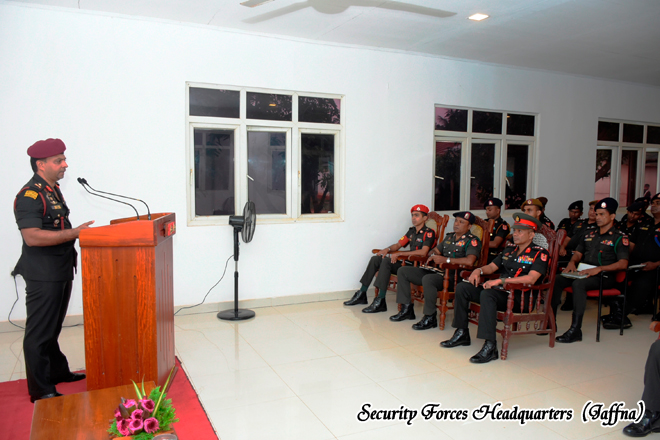
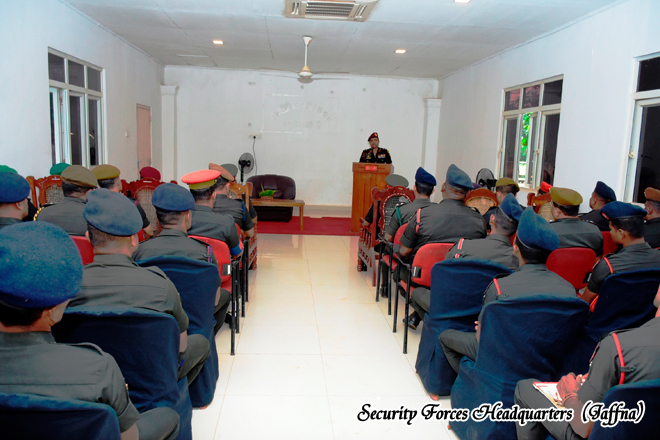
A comprehensive road safety awareness programme was conducted for military drivers across all subordinate formations of the 51 Infantry Division on 5 February 2026 at the Division Headquarters. Recognising the critical importance of traffic discipline and accident prevention in the current operational environment, this programme brought together key personnel from across the divisional structure. The 51 Infantry Division, operating under the Security Forces Headquarters (Jaffna), has taken this proactive step in line with the broader commitment to operational excellence and public safety.
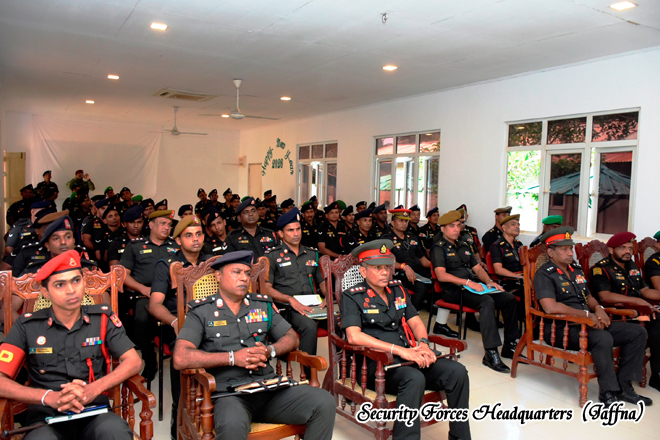
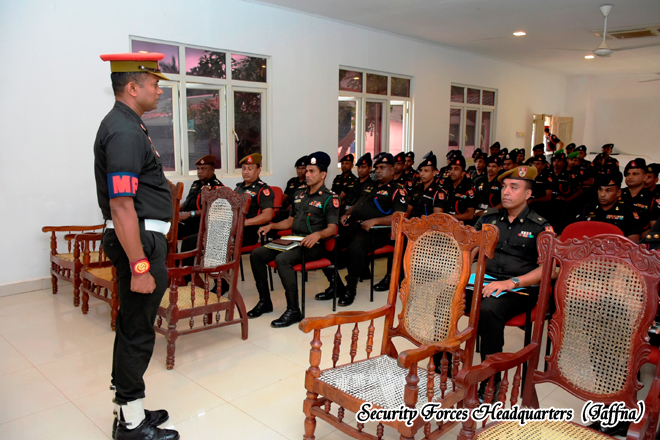
The awareness session assembled a comprehensive cross-section of the Division's motor transport establishment. Attendees included heavy vehicle drivers, light vehicle drivers, and uni buffel drivers from the Division Headquarters, under command brigades, battalions and 520 Composite Squadron together with Motor Transport NCOs-in-charge and Motor Transport Officers. Significantly, staff officers from Division Headquarters also participated, demonstrating that road safety is an institutional priority requiring engagement from all levels of command. This inclusive approach ensured that safety protocols, legal obligations, and best practices would be reinforced throughout the entire chain of command.
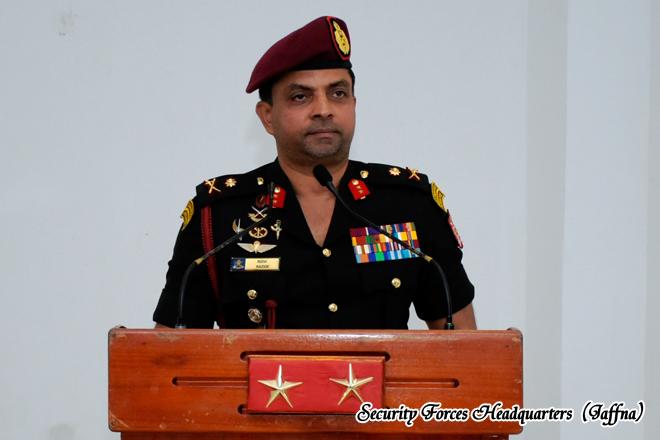
Major General MR Razick RSP ndu, General Officer Commanding 51 Infantry Division, presided over the programme and delivered an address articulating the fundamental duties and responsibilities incumbent upon military drivers. The address emphasised that military drivers serve as representatives of the armed forces on public roads and must exemplify the highest standards of professionalism and discipline. Particular emphasis was placed on traffic discipline as a reflection of military discipline itself. The session addressed traffic accidents, outlining their operational implications and legal ramifications, with detailed guidance provided to ensure drivers understand their obligations under civil law whilst operating military vehicles. Significant attention was devoted to accident prevention within the Division's Area of Responsibility, with practical measures and behavioural standards enumerated, emphasising that every driver bears personal responsibility for safe vehicle operation and the protection of both military personnel and civilians.
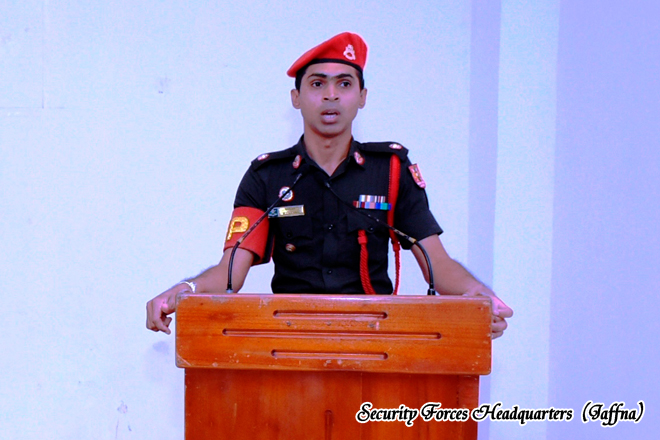
The programme continued with a session delivered by the Officer Commanding and a Senior Non-Commissioned Officer from the Sri Lanka Corps of Military Police. The SLCMP representatives addressed legal intricacies including liability issues, evidence preservation, and the interface between military and civilian judicial processes. Their presentation covered speed management, situational awareness, vehicle maintenance responsibilities, and common causative factors in traffic accidents, enabling drivers to identify and mitigate risks effectively.
The timing of this programme is particularly significant given the increasing complexity of traffic conditions and the far-reaching consequences of road accidents for operational capability and the reputation of the armed forces. This proactive initiative reflects an understanding that accident prevention is more effective than post-incident management. The participation of Motor Transport Officers and senior NCOs from subordinate formations ensures these critical messages will be reinforced throughout the chain of command, creating a unified standard of road safety awareness across all units operating under the Division.